

Last Updated: November 21, 2026
Quick Summary
Red light therapy is a non-invasive treatment that uses red and near-infrared wavelengths to stimulate cellular activity, with the strongest consumer evidence for improved skin texture, softened fine lines, and calmer acne-prone skin. Research also shows promising but not settled results for hair density, muscle soreness, and joint pain, while claims it treats thyroid disease or replaces medication are unsupported.
- Red wavelengths of 630 to 660 nanometers target skin concerns, while near-infrared at 810 to 850 nanometers penetrates deeper for recovery.
- Dose equals irradiance multiplied by time, so a 50 mW/cm² panel run for 10 minutes delivers roughly 30 J/cm².
- Skin texture and fine lines typically need 10-20 minute sessions 3-5 times weekly, with a first check-in at 8-12 weeks.
- Hair density results require 15-25 minute sessions 3-4 times weekly for 4-6 months before judging whether it works.
- Protect your eyes during treatment and never stare into the LEDs, since near-infrared light can reach the retina.
Table of Contents
- How Red Light Therapy Works and What the Evidence Actually Shows
- The Benefits of Red Light Therapy on Face: Collagen, Wrinkles, and Acne
- Benefits of Red Light Therapy for Hair and Scalp Health
- Pain Relief, Inflammation, and Muscle Recovery for Active Adults
- Benefits of Red Light Therapy at Home: Devices, Cost, and Realistic Timelines
- Red Light Therapy Dangers: Eye Safety, Photosensitivity, and Medication Risks
- Frequently Asked Questions
How Red Light Therapy Works and What the Evidence Actually Shows
Red light therapy is a non-invasive treatment that uses specific wavelengths of red and near-infrared light to stimulate cellular activity. This guide from Crest and Calm examines what the research supports, where the evidence remains thin, and how to judge a device before you buy one.
The mechanism centers on mitochondria, the structures inside cells that convert nutrients into usable energy. Red and near-infrared wavelengths penetrate skin and tissue, and laboratory research suggests they interact with a key enzyme in that energy chain.
The National Center for Complementary and Integrative Health overview of light therapy cautions that evidence quality varies widely by condition. That distinction matters more than most product pages admit.
Wavelengths, Dose, and Why Device Specs Matter
Four numbers decide whether a device is worth your money: wavelength, irradiance, treatment time, and treatment area. A fifth, distance from the device, quietly changes all of them.
Wavelength. Red wavelengths in the 630 to 660 nanometer range are generally used for skin-level concerns.
Irradiance. Measured in milliwatts per square centimeter (mW/cm²), irradiance describes how much light power lands on a given area per second.
Dose. Dose is irradiance multiplied by time, usually expressed in joules per square centimeter (J/cm²).
Treatment area. A small mask concentrates light on the face; a full panel spreads it across the torso.
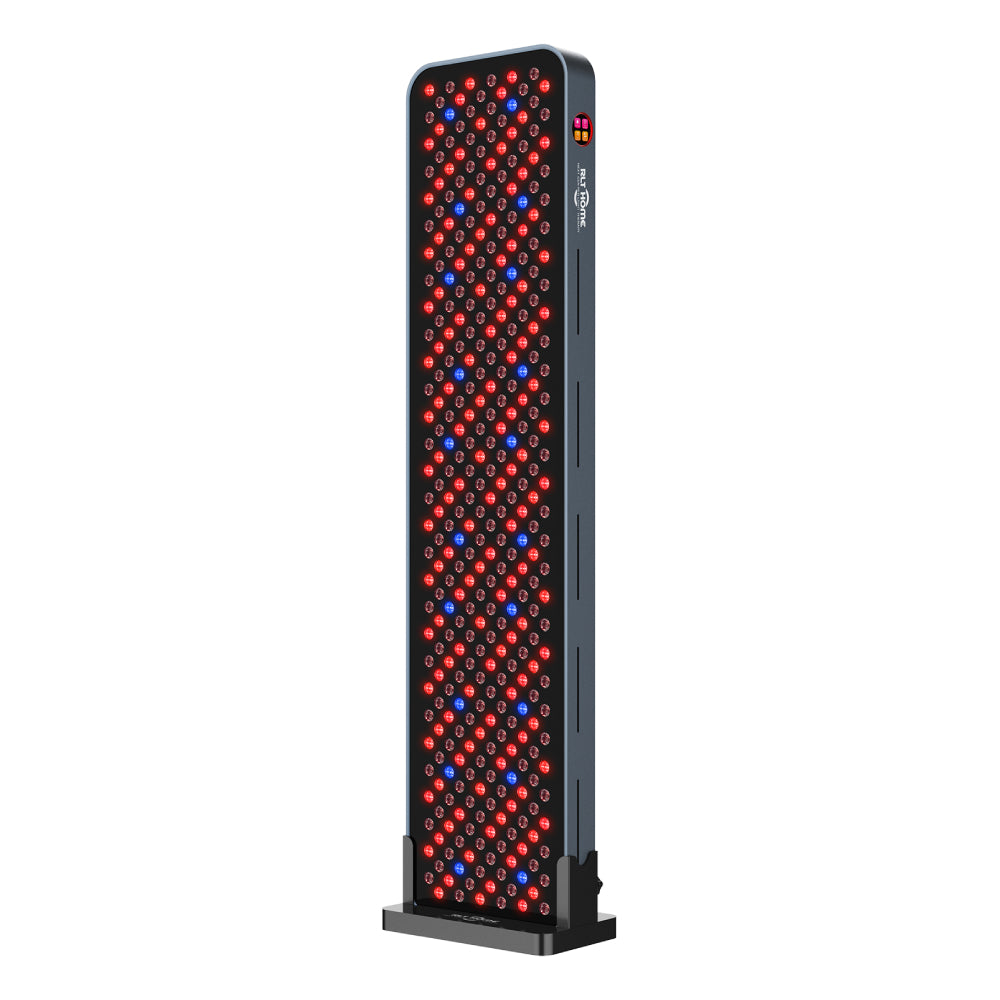
A device with honest specs lists wavelength, irradiance, treatment area, and recommended session time together. Our The Radiance Panel Max (7 Wave 360 LEDs) publishes its LED count and spectrum openly, the standard we would apply to any device.
Grading the Evidence by Condition
Established enough to try with reasonable expectations. Cosmetic improvement in skin texture and fine lines, and reduction in inflammatory acne when red and blue light are combined, have the most consistent small-trial support. Effects are modest and build over weeks.
Promising but not settled. Hair density in androgenetic hair loss, post-exercise muscle soreness, and some joint-pain measures show positive signals in trials that vary in size, device, and dose. The direction is encouraging; the optimal protocol is not agreed on.
Unsupported or overstated. Claims that red light therapy treats thyroid disease, reverses neuropathy, or replaces medication for a diagnosed condition are not backed by the kind of evidence a consumer should act on.
The Benefits of Red Light Therapy on Face: Collagen, Wrinkles, and Acne
The strongest consumer case for red light therapy on face is cosmetic: improved skin texture, softened fine lines, and calmer acne-prone skin. Collagen production is the mechanism most often cited.
- Skin appearance and signs of aging. Multiple small trials report measurable improvement in wrinkles and skin texture after consistent use over several weeks. Effects are modest, not dramatic.
- Collagen and elasticity. Light exposure appears to support collagen synthesis in skin tissue.
- Acne and redness. Red and blue light combinations are used clinically for inflammatory acne. Results build slowly and vary by skin type.
- Scars and healing. Some evidence exists for improved healing, though study designs vary enough that we would call this promising rather than settled.
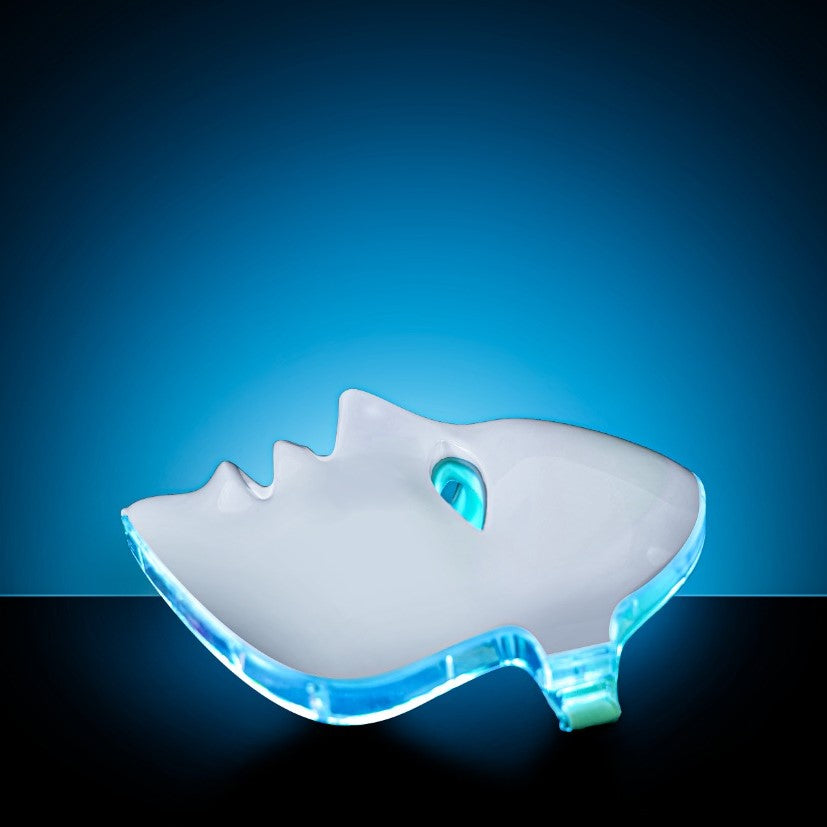
For a concrete facial option, the Led Beauty Mask Wireless Red Light Therapy runs 10 to 15 minute sessions and covers seven light settings.
Benefits of Red Light Therapy for Hair and Scalp Health
Hair regrowth is the benefit with the most qualified evidence. Low-level light therapy devices have been studied for androgenetic hair loss, and some trials report increased hair density after months of regular use. Results are gradual, modest, and depend on consistency.
Scalp treatment requires the light to reach the follicle through hair, which is why devices built for this use sit close to the scalp.
A device shaped for this job, like our Red Nova Lights Red Near Infrared Led Cap 660nm 850nm, delivers the two wavelengths most studied for scalp use directly against the head.
Pain Relief, Inflammation, and Muscle Recovery for Active Adults
For athletes and active adults, the recovery case is the most practical one. Research on photobiomodulation for muscle soreness and joint pain generally points toward reduced pain scores and faster perceived recovery when treatment follows exertion.

Where it fits best is in the hours after training, when inflammation is elevated and tissue is repairing. Fifteen to twenty minutes on the affected area, several times per week, is the pattern most protocols describe.
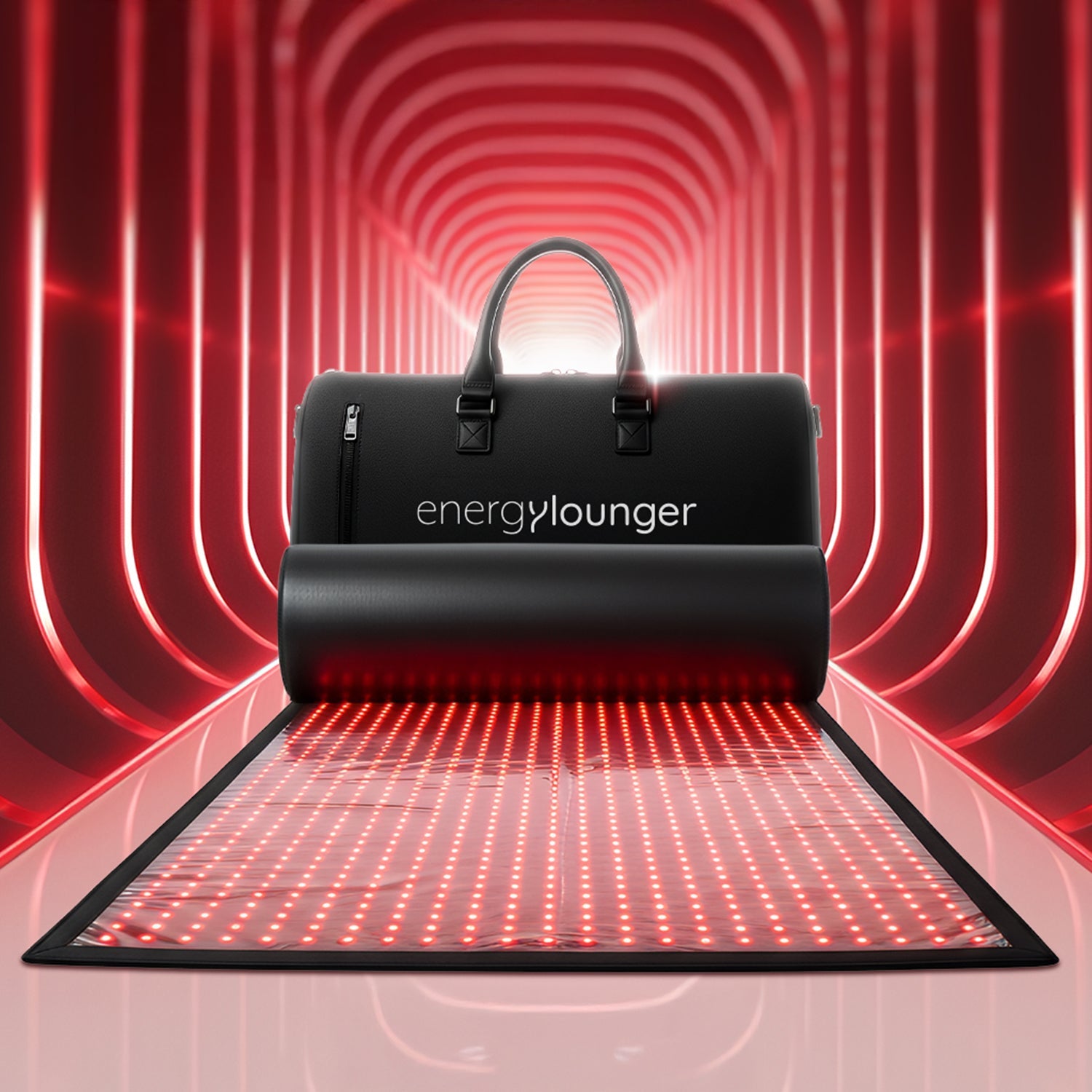
If you want full-body coverage rather than spot treatment, the Energylounger Blanket Full Body Red Infrared Light Therapy Blanket Free Travel Carry Case wraps the treatment area instead of asking you to hold a panel in place.
Benefits of Red Light Therapy at Home: Devices, Cost, and Realistic Timelines
At-home devices have made red light therapy accessible, and they have also made it confusing. For a full-body option, see The Novaa Recovery Pod Full Body Red Light Therapy. The benefits of red light therapy at home depend almost entirely on whether the device delivers a meaningful dose.
Realistic timelines, based on how these protocols are typically structured:
| Goal | Typical Session | Frequency | Realistic First Check-In |
|---|---|---|---|
| Skin texture and fine lines | 10-20 minutes | 3-5 times weekly | 8-12 weeks |
| Acne and redness | 10-15 minutes | Daily or Near-Daily | 6-8 weeks |
| Hair density | 15-25 minutes | 3-4 times weekly | 4-6 months |
| Muscle soreness | 15-20 minutes | After training | 2-4 weeks |
Typical Session
Comparing At-Home Formats and What They Cost
Masks and small panels suit facial use and travel. Full panels cover the torso and multiple muscle groups at once. Blankets wrap limbs and the back. Caps target the scalp.
Cost tracks coverage and LED count. The right spend depends on how much of your body you intend to treat.
Watch out: the most common mistake is buying a device too small for the area you actually want to treat, then losing patience with it within a month.
Red Light Therapy Dangers: Eye Safety, Photosensitivity, and Medication Risks
Red light therapy dangers are limited but real, and they are mostly about exposure management rather than the light itself. The most consistent guidance across clinical sources is to protect your eyes during treatment and avoid staring directly into the LEDs.
Eye Safety
The eye is the tissue most often overlooked. Intense near-infrared light can reach the retina, and the reflex that makes you squint or look away from bright visible light does not fire the same way for invisible wavelengths. Practical rules most practitioners follow:
- Wear the opaque goggles that ship with most devices, or close your eyes and turn away from the panel.
- Never stare into the LEDs, even briefly, to "check the brightness."
- Do not treat directly over a closed eyelid with a high-irradiance panel unless the device's instructions specifically allow it.
- Anyone with a history of retinal disease, cataract surgery, or a diagnosed eye condition should ask an eye care professional before treating the face or scalp.
Photosensitivity and Medication
Photosensitivity is the risk most often overlooked. Certain medications make skin more reactive to light, and the reaction can look like a sunburn or rash rather than an obvious injury (the FDA). Classes worth checking with a prescriber before starting include:
- Antibiotics in the tetracycline and fluoroquinolone families.
- Acne medications, including isotretinoin and some topical retinoids.
- Diuretics such as hydrochlorothiazide.
- NSAIDs taken at high doses or long term.
- Herbal supplements, notably St. John's wort.
- Some psychiatric and cardiac medications that carry a photosensitivity warning on the label.
If you take anything on that list, ask your prescriber before starting. The U.S. Food and Drug Administration guidance on light-emitting devices is a reasonable starting point for understanding how these devices are regulated and what clearance actually means.
Skin, Sensitive Areas, and Who Should Get Medical Clearance
Skin sensitivity varies. Start with shorter sessions and lower intensity, then build.
Get medical supervision before use if you have a photosensitivity disorder such as lupus or porphyria, an active skin infection, a history of skin cancer, or are pregnant. Anyone treating a diagnosed condition should do the same.
Watch out: if a treated area becomes hot, red, or blistered rather than mildly warm, stop and reassess, that is a dose problem or a photosensitivity reaction, not a sign the treatment is working harder.
Frequently Asked Questions
Is 10 minutes of red light therapy enough?
It depends on the device's irradiance, not just the clock. Ten minutes at a higher output can deliver a comparable dose to 20 minutes on a weaker unit. Many at-home masks are built around 10 to 20 minute sessions, three to five times per week. Follow the manufacturer's session times for your specific device, and treat consistency across weeks as more important than stretching any single session.
Are there negatives to red light therapy?
Red light therapy is generally well tolerated, but the main risks are eye exposure without proper protection, skin sensitivity in people taking photosensitizing medications, and overuse that leaves skin irritated. Some users report temporary redness or mild warmth after sessions. Skip treatment on broken skin or active rashes, wear the eye protection your device includes, and check with a doctor if you take medications that increase sun sensitivity.
Can red light therapy help with hair growth?
Research on red light therapy for hair has focused mostly on androgenetic alopecia, with several clinical trials reporting improved hair density and thickness over several months of regular use. Results are modest and take time, typically three to six months of consistent sessions. It is not a replacement for medical evaluation of sudden or patchy hair loss, which can have other causes.
Is red light therapy safe to use at home?
At-home devices are safe for most people when used as directed. Choose a device with stated wavelengths and irradiance rather than vague claims, protect your eyes, and avoid use over the thyroid, pregnant abdomen, or active skin infections. People with photosensitivity conditions or those taking drugs like isotretinoin should ask a dermatologist first. Stop and consult a professional if you notice persistent irritation.
